Slovakia Refuses to Participate in New €45 Billion EU Loan for Ukraine
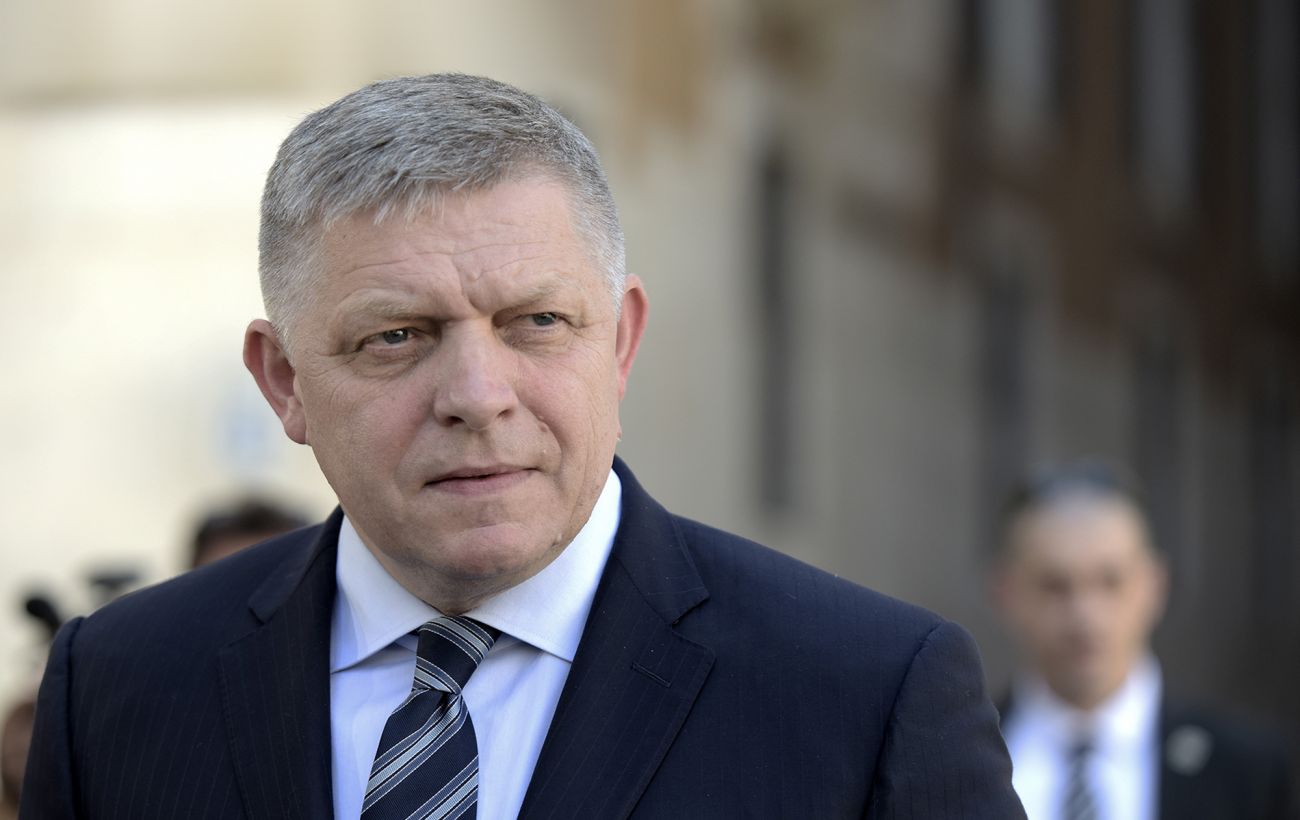
Prime Minister Robert Fico announced that Bratislava will not join the latest EU credit program for Ukraine, citing opposition to military financial aid.
 🧠AI Analysis
Photo: RBC-Ukraine
Key points
- Slovakia will not join the €45 billion EU loan program for Ukraine.
- PM Robert Fico maintains that military aid prolongs the war, preferring humanitarian support.
- The decision comes despite potential budgetary pressure from Germany regarding post-2027 aid.
The Slovak government has officially confirmed its decision to opt out of the new European Union loan program for Ukraine, totaling 45 billion euros. Prime Minister Robert Fico, in a video statement, emphasized that Bratislava has no intention of altering its stance, which was previously established during earlier lending cycles. The country had already declined to participate in a prior 90-billion-euro credit initiative, maintaining a consistent policy regarding financial commitments to Kyiv.
Bratislava's Stance and Pressure from Berlin
Fico stated that while Slovakia will continue to provide humanitarian aid to Ukraine, it views participation in military-related lending as counterproductive. In his view, such support only serves to prolong the ongoing conflict. This declaration follows comments from German Chancellor Friedrich Merz, who suggested that Germany might block the next seven-year EU budget if all member states do not commit to supporting Ukraine beyond 2027. Fico responded by asserting that he would not yield to pressure from Berlin.
Loan Structure and Upcoming Negotiations
The 45-billion-euro support mechanism proposed by the European Commission is divided into two segments: 20 billion euros for budgetary requirements and 25 billion euros for military assistance. The plan assumes that Ukraine will repay the loan using future reparations from Russia. It is worth noting that in October 2026, Slovakia and Hungary had already refused to join a 70-billion-euro EU loan program.
The issue of financial support and regional coordination is set to be discussed this Monday in Bratislava. A meeting is scheduled between the Prime Ministers of the Visegrad Group—Poland, Czechia, Slovakia, and Hungary—along with the Chancellor of Austria. This summit is expected to be a critical moment for defining Central Europe's collective approach to EU budgetary planning and aid strategies.
Source RBC-Ukraine — rbc.ua/ukr/news/fitso-zayaviv-shcho-slovachchina-doluchitsya-179533… ↗
Read next
 🇺🇦Ukraine
Impact of attacks on Russian oil refineries: Kremlin threatens response and admits fuel shortages
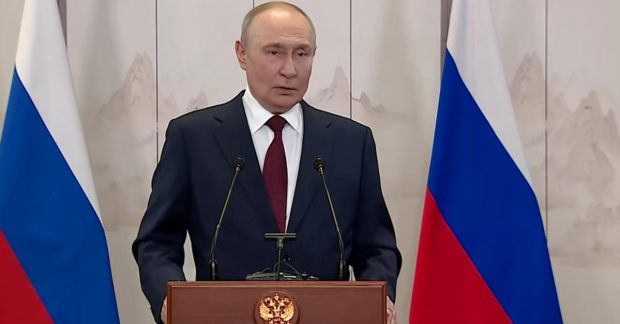
Vladimir Putin has declared that retaliatory strikes are inevitable following attacks on Russian oil refineries, while acknowledging the complex situation within the coun…
 👥Society
Why LEGO minifigure heads have a hole: a hidden safety feature
LEGO has designed a small hole in the heads of its minifigures, which serves as a vital safety feature in case a child accidentally swallows the piece.
 💼Economy
How to optimize New Year's expenses: tips for Zhmerinka residents
Experts recommend a balanced approach to holiday shopping to avoid unnecessary spending before the New Year.
 💼Economy
Gas exports to generate over 800 million UAH in rent payments
The Association of Gas Producing Companies of Ukraine expects significant budget revenues from the export of 83 million cubic meters of gas.
 🏛️Politics
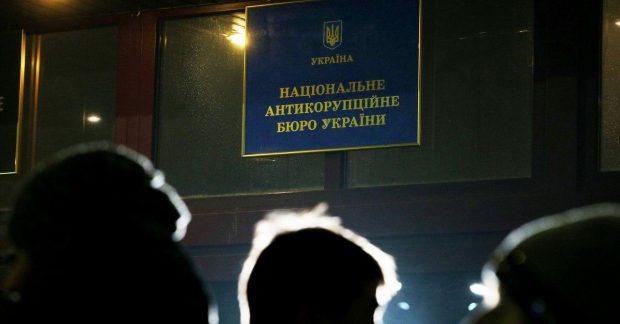
Debate on NABU and SAPO Accountability: Balancing International Cooperation and Parliamentary Oversight
The absence of anti-corruption agency heads at a parliamentary commission hearing due to overseas trips has sparked a debate on the priority of legislative oversight.
 🛡️Security
Consequences of the Russian attack on Kyiv: fires extinguished
On November 24, an enemy drone caused a fire at warehouse facilities in the Holosiivskyi district of the capital.