Large-scale Reforestation in China: Scientists Warn About Hidden Risks of Eco-Projects
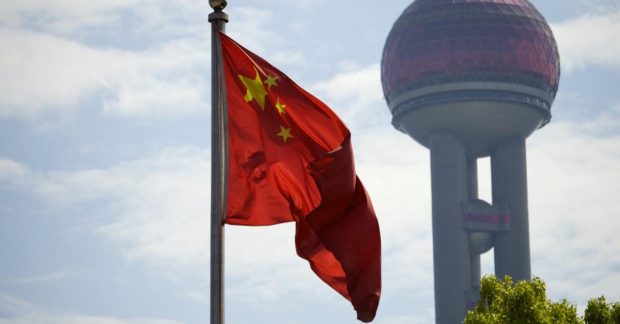
Over nearly 50 years, China has planted 66 billion trees to combat deserts, but researchers warn of risks to water resources.
 💼Economy
Photo: UNIAN
Key points
- China planted 66 billion trees over 50 years
- Greening reduced CO2 and increased rainfall
- Scientists predict water shortages due to forest irrigation
Source UNIAN — unian.ua/ecology/za-50-rokiv-posadili-milyardi-derev-chim-zakinchiv… ↗
Read next
 🇺🇦Ukraine
Impact of attacks on Russian oil refineries: Kremlin threatens response and admits fuel shortages
Vladimir Putin has declared that retaliatory strikes are inevitable following attacks on Russian oil refineries, while acknowledging the complex situation within the coun…
 👥Society
Why LEGO minifigure heads have a hole: a hidden safety feature
LEGO has designed a small hole in the heads of its minifigures, which serves as a vital safety feature in case a child accidentally swallows the piece.
 🏛️Politics
Debate on NABU and SAPO Accountability: Balancing International Cooperation and Parliamentary Oversight
The absence of anti-corruption agency heads at a parliamentary commission hearing due to overseas trips has sparked a debate on the priority of legislative oversight.
 🛡️Security
Consequences of the Russian attack on Kyiv: fires extinguished
On November 24, an enemy drone caused a fire at warehouse facilities in the Holosiivskyi district of the capital.
 🚨Events
Traffic accident in Sutysky: elderly woman injured
In the village of Sutysky, a 26-year-old Hyundai driver hit a 72-year-old woman who was crossing the road in an unauthorized area.
 💡Tech
Google is developing a custom voice generation feature for Gemini
Google is testing a new feature for its Gemini AI that will allow users to customize the assistant's voice using simple text descriptions.