Microplastics in water: scientists identify new threat to cells
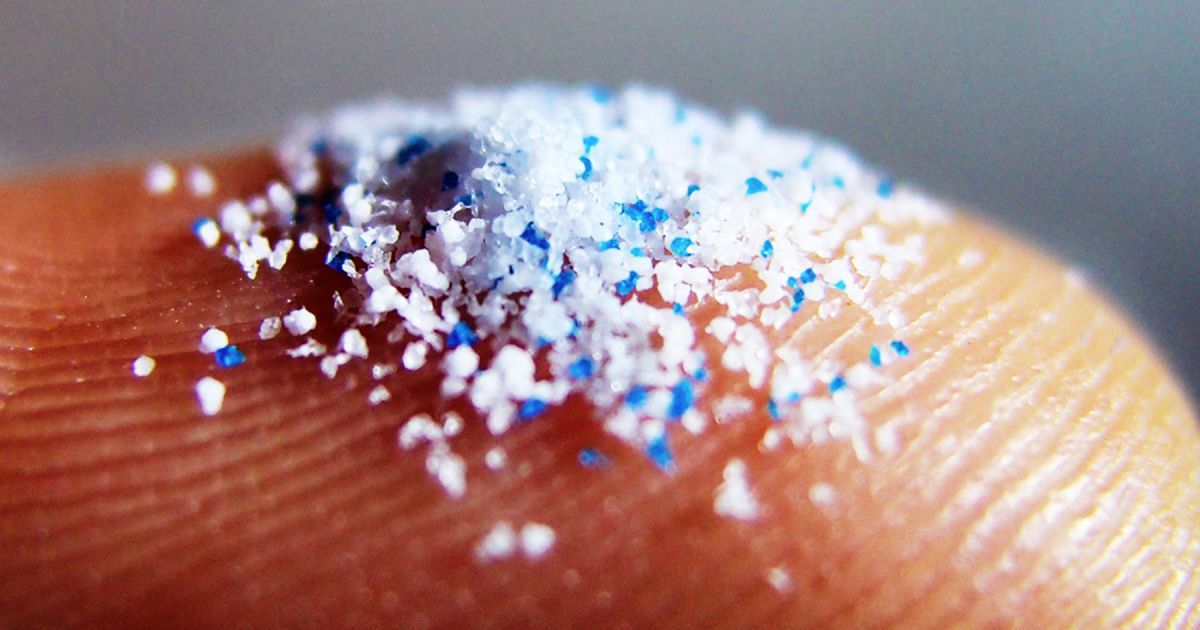
Researchers have discovered that microplastics do more than just pollute; they trigger chemical reactions in water that create harmful compounds.
 🩺Health
Photo: TSN
Key points
- Microplastics trigger chemical reactions in water
- Reactive oxygen species can damage living cells
- Heating plastic in microwaves increases particle release
Microplastics, long considered passive debris, have been revealed to be far more chemically active than previously assumed. A joint study by Columbia University and the University of California, Berkeley, demonstrates that when plastic particles come into contact with water, they trigger the formation of reactive oxygen species.
Chemical activity of plastic
These reactive molecules, including hydroxyl radicals, are capable of damaging protein structures and DNA. Researchers tested six common types of plastic, including polyethylene and polypropylene, finding that all of them exhibit this activity. The process is most intense on surfaces that are highly water-repellent.
Experiments on mouse cells showed that interaction with microplastics can lead to the destruction of red blood cells. It is important to note that common domestic sources of these particles include not only litter but also the heating of plastic containers and the washing of synthetic clothing.
Source TSN — tsn.ua/zdorovya/mikroplastyk-vyiavyvsia-nebezpechnishym-niz-vvazaly-shc… ↗
Read next
 🇺🇦Ukraine
Impact of attacks on Russian oil refineries: Kremlin threatens response and admits fuel shortages
Vladimir Putin has declared that retaliatory strikes are inevitable following attacks on Russian oil refineries, while acknowledging the complex situation within the coun…
 👥Society
Why LEGO minifigure heads have a hole: a hidden safety feature
LEGO has designed a small hole in the heads of its minifigures, which serves as a vital safety feature in case a child accidentally swallows the piece.
 💼Economy
How to optimize New Year's expenses: tips for Zhmerinka residents
Experts recommend a balanced approach to holiday shopping to avoid unnecessary spending before the New Year.
 💼Economy
Gas exports to generate over 800 million UAH in rent payments
The Association of Gas Producing Companies of Ukraine expects significant budget revenues from the export of 83 million cubic meters of gas.
 🏛️Politics
Debate on NABU and SAPO Accountability: Balancing International Cooperation and Parliamentary Oversight
The absence of anti-corruption agency heads at a parliamentary commission hearing due to overseas trips has sparked a debate on the priority of legislative oversight.
 🛡️Security
Consequences of the Russian attack on Kyiv: fires extinguished
On November 24, an enemy drone caused a fire at warehouse facilities in the Holosiivskyi district of the capital.